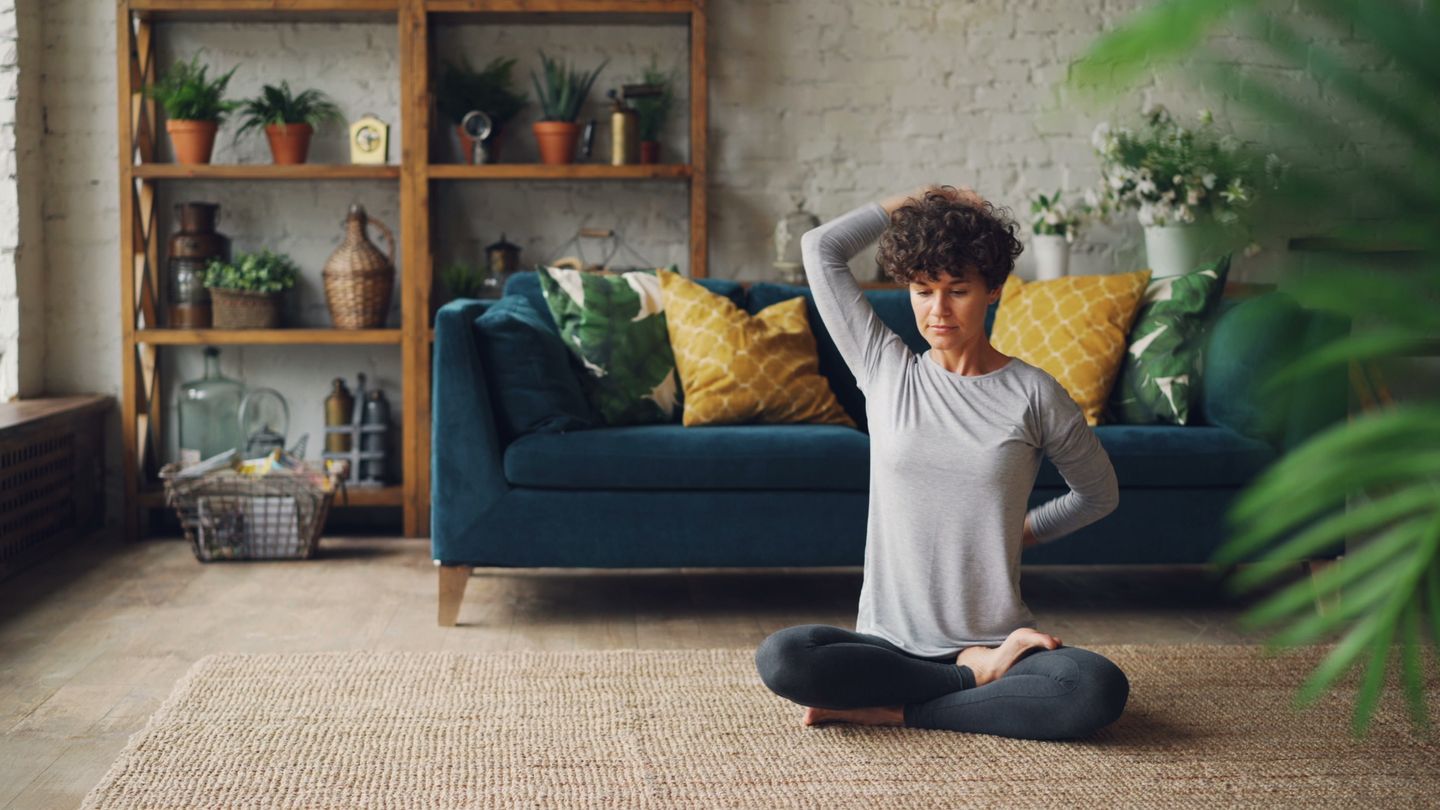
Start with what is available
Make a familiar seat usable, put a needed item within reach, and leave the floor clear. You may prefer another room or a different time when the household is busy. There is no requirement to create silence or match the colours in a wellness photograph.
If you are following professional guidance for a particular practice, keep that guidance distinct from decorating choices. A comfortable-looking arrangement does not tell you which yoga or massage approach is appropriate for an individual. General surroundings and personal advice answer different questions.
Leave the interval flexible
Take an ordinary pause if it suits the moment, or choose another activity. You do not have to use a breathing exercise, hold a posture, or aim for a particular feeling. The journal describes possibilities around relaxation rather than prescribing a technique.
Afterwards, keep one useful observation if you want to remember the arrangement. A different day can call for another choice. Rest remains easier to approach when the room and the routine are allowed to stay part of an ordinary, changing home.
Published by the Seraseta journal.